
Hedging the Heat: Kalshi Weather Markets and NYC Summer Bills
Con Ed bills spike when the city does. How a Central Park temperature contract on Kalshi can offset part of a hot summer, with the mechanics, not the hype.
Kalshi · Trade $25 and Get $25!
NYPREDICTS
Certain limitations apply. The offer is available to new users only, subject to the terms and conditions at kalshi.com/tc/500. 18+ only. Restrictions and eligibility requirements apply. Event contract trading involves significant risk and is not appropriate for everyone. Please carefully consider if it is appropriate for you in light of your personal financial circumstances. Kalshi products are not available in all jurisdictions. See kalshi.com/regulatory for more information.
Last checked October 5, 2026
The short answer
Yes — New York residents can use Kalshi's CFTC-regulated weather contracts to hedge against summer Con Edison spikes. Buying 'Yes' contracts on Central Park heat thresholds can turn a hot stretch into a gain that offsets part of the higher bill. The summer 2026 contracts have settled; the same approach applies next summer.
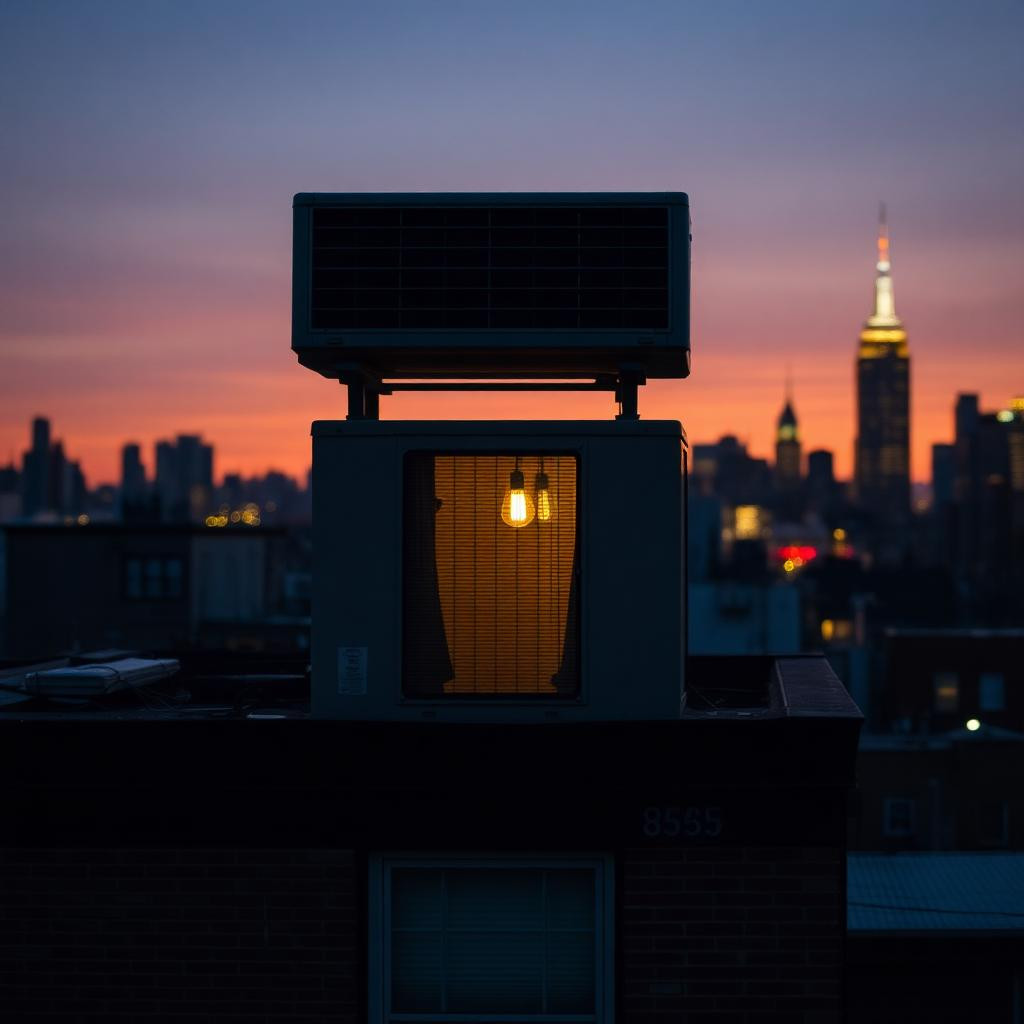
How do weather prediction markets work in New York?
Weather prediction markets let participants trade financial contracts based on specific meteorological outcomes — daily high temperatures, rainfall totals, hurricane landfalls. On Kalshi, these are binary Yes/No contracts priced between $0.00 and $1.00. The price reflects the aggregate market probability of the event: a contract at $0.65 implies a 65% chance. If the event resolves, the contract settles at $1.00 (a $0.35 profit per contract). If not, it settles at $0.00.
For New Yorkers facing a volatile Summer 2026, these markets have moved from novelty to legitimate retail hedging tool.
Can I hedge my Con Edison electricity bill with Kalshi?
Yes. When temperatures spike across the five boroughs, residential AC usage drives electricity demand and Con Edison supply charges higher. Buying Yes contracts on upcoming high-temperature thresholds offsets that exposure — if the heatwave hits, your contract profit counterbalances the bill. Kalshi is the only platform doing this in NY under a federal CFTC license; see where Kalshi is legal for the full state list.
Active NYC weather contracts for Summer 2026
Kalshi lists hyper-local weather contracts tied to the Central Park weather station — the official NWS record for the city. The contracts dominating trading volume this summer:
- —NYC Days Above 90°F — total count exceeding 25 days by Aug 31. Typical mid-summer range $0.55–$0.78. Hedge objective: sustained cooling costs.
- —NYC 100°F Spike — at least one day hitting 100°F in Central Park. Range $0.20–$0.42. Hedge objective: extreme peak-load grid pricing.
- —NY Hurricane Landfall — named storm tracking within NY maritime borders. Range $0.08–$0.15. Hedge objective: property damage and transit shutdowns.
Setting up a cooling-bill hedge, step by step
Calculate your historical heat premium first. If a typical July Con Ed bill is $150 but jumps to $300 in a severe heat month, the premium to hedge is $150.
1. Determine your exposure
Pull your last two summers of Con Ed bills. Find the dollar gap between a mild month and a peak month — that's your heat premium.
2. Select the matching Kalshi contract
Open Kalshi's weather vertical and find the contract for the relevant month (e.g. 'Will July have more than 10 days above 90°F?'). All NY-relevant contracts settle off Central Park station data.
3. Size the position
If the contract is at $0.60, a successful Yes pays a net profit of $0.40 per contract. To cover a $150 premium, buy 375 contracts ($150 ÷ $0.40), costing $225 upfront.
4. Let it resolve
If the heatwave arrives, your Con Ed bill climbs but your Kalshi position settles at $1.00 per contract — a $150 net profit that absorbs the utility spike. If the summer stays mild, your bill stays low and you eat the contract premium.
"Kalshi weather markets are fully collateralized. You can't lose more than your initial stake — no margin calls, no leveraged liquidations."
What about Polymarket and the other platforms?
Polymarket lists weather markets too, but they're not tied to Central Park station data the same way — fine for speculation, less clean for a household hedge. The DFS-flavored apps (Sleeper, Chalkboard) are travel-only for New Yorkers, and Novig is sports only; none list weather contracts. For NY residents, Kalshi is the most practical venue.
FAQ
Where to trade this
Trade finance markets on
- CFTC-regulated event contracts on politics, economics, and culture.
- Crypto.com's prediction-market app: trade $25, get $25 in rewards with code NYPREDICTS. Sports, culture, macro and trending contracts, live in New York.
Aff.We earn a commission on partner signups. Disclosure.
Sources & references
Across the network
More from our sibling sites
- Prediction Ranks HQIndependent rankings of every legal US prediction-market venue.
- PredictionWins.comOutcome-focused reviews, comparisons, and platform guides.
- CaliforniaPredictionMarketsStatewide California prediction-market guide.
Network sites owned by AffiliatePredictions. Editorial links — no payment involved. See the full network
21+
Responsible Use · New YorkPrediction markets and related products involve real risk of loss. Eligibility and product availability vary by state. Never trade money you can't afford to lose. If gambling is causing harm in New York, call 1-877-8-HOPENY or text HOPENY to 467369. More at nyproblemgambling.org.
Frequently asked questions
Is this article up to date?
Yes. It was updated on September 29, 2026. The summer 2026 contracts have settled; the hedging method still applies to the next summer's contracts.
Are Kalshi weather contracts legal in New York?
Available — dispute pending (as of October 3, 2026). Kalshi is a CFTC-regulated Designated Contract Market, which means its event contracts — including weather — are legal for residents of 48 US jurisdictions, including New York. They sit under federal commodity law, not state gambling law.
What weather station does Kalshi settle NYC contracts against?
Kalshi's New York City weather contracts settle on data recorded at the Central Park weather station, which is the official NWS observation point for the city.
Can I lose more than I deposit on a Kalshi weather trade?
No. Kalshi contracts are fully collateralized — the maximum you can lose is the price you paid for the contract. There are no margin calls or leveraged liquidations.
How many contracts do I need to hedge a $200 Con Ed bill spike?
If the relevant Yes contract is trading at $0.50, you'd need 400 contracts to cover a $200 premium (each contract pays $0.50 net profit). That requires $200 in upfront capital.
18+ · T&Cs apply · Terms
Certain limitations apply. The offer is available to new users only, subject to the terms and conditions at kalshi.com/tc/500. 18+ only. Restrictions and eligibility requirements apply. Event contract trading involves significant risk and is not appropriate for everyone. Please carefully consider if it is appropriate for you in light of your personal financial circumstances. Kalshi products are not available in all jurisdictions. See kalshi.com/regulatory for more information.

